2017-08-30

REEF TANKS And What You Need To Know Before You Start One

A reef aquarium is vastly different from a fish only aquarium. Not only will you need different equipment, but you will need a whole different skill to create and maintain a successful reef tank. Although you can keep fish in your reef tank, the main focus of a reef tank is to display live coral. Introducing certain species of fish can help in maintaining the reef environment and special care should be taken when selecting the appropriate species to compliment the coral in your tank.
electrophoresis
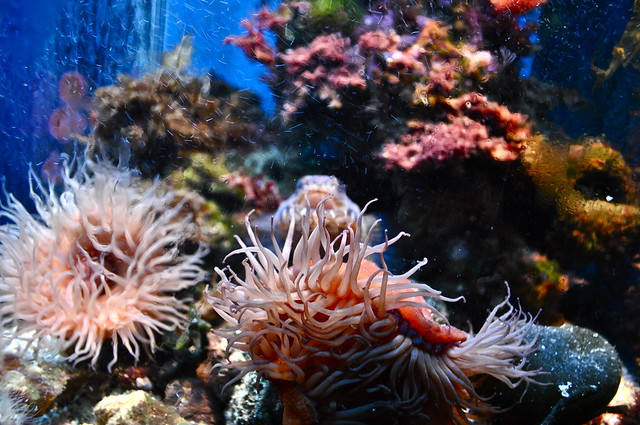
Reef Tank - Photo by shesarii

Reef tanks are primarily filtered by the live rock through a natural process. This biologic filtration is usually supplemented by protein skimmers. Protein skimmers use what is called the foam fracture process to eliminate waste matter and filter the water. A combination of biological filtration and protein skimmers is very effective at keeping a reef tank in ideal condition.

Unlike fish only tanks, reef tanks require constant water movement. Different types of coral require different flow rates, but as a rule of thumb, a flow rate of 10x will be sufficient. What this means is that the flow rate needs to be 10 times the capacity of the tank (in gallons) per hour. It’s important that you adjust and fine tune the flow rates to the specific coral in your tank.

One of the most popular methods of creating water flow is by using power heads. They are simply small water pumps under the water that creates an underwater stream when you alternately switch them on an off. By using a wave timer, the pumps are synced to create a water flow. A newer method for creating and managing water flow is the use of submersible propeller pumps. Although they are more expensive, they use less power and can produce greater water flow compared to power heads.

Another important aspect of reef tanks is lighting. While fish only tanks use lighting primarily for display, a reef tank needs light to “feed” the coral. Since the coral uses photosynthesis to stay alive, lighting is the most important aspect of keeping your coral alive.

The lighting levels required for each type of coral varies widely. While some types of rock require very high levels of light, some only need low light levels. Special care should be taken when picking coral for your tank to ensure that the lighting of your tank is sufficient. As a general rule, 5 to 8 watts per gallon should be sufficient for the most common coral.


By WriteSmith - Articles Source: Reef Tanks And What You Need To Know Before You Start One


2017-08-29

ACRYLIC AQUARIUMS Vs Glass What Are The Benefits

Technology, the result of creative innovations, constantly changes our lives. Each technological advancement increases the significance of our choices. Conventional products now compete with new and improved varieties. Versatility, design, and product enhancements provide consumers with more choices than ever. Hobbyists are taking note. For example, advancements in aquarium production now expand beyond the traditional glass structure, opening a whole new world to aquarium enthusiasts.

English: Photo by Angela Grider. A diver clean...
A diver cleaning acrylic at the Georgia Aquarium.
(Photo credit: 
Wikipedia)

Traditionally glass tanks were manufactured using silicon sealant. Due to construction constraints sizeable aquariums were generally rectangular. Size and shape variations are difficult to achieve with glass panels. Cracking and leakage concerns hampered customization of glass aquariums also. However glass was the original material for a reason, it was the best available choice.

Nowadays acrylic is pushing glass out of the lead, at least where aquarium enthusiasts are concerned. Simply put consumers demand versatility, acrylic offers versatility and more that glass never could.

Better leak protection, greater strength, superior insulation, lighter weight and incredible pliability prove acrylic is a more advanced material. These strengths allow personalization, customization, and endless possibilities for consumers wishing to add an aquatic factor.

The differences are undeniable, glass tanks require a silicon sealant while acrylic aquariums are molecularly welded. Sealant can age and crack over time, but welding fuses the seams creating a virtually leak-proof barrier. It'll be a long time before technological advancements allow that kind of leak protection from glass.

Acrylic is also seventeen times stronger than glass and it's more flexible. Strength is important for preservation, protection and impact resistance. Flexibility dramatically increases design versatility. Unlike glass, acrylics can be manipulated into various shapes. For example, acrylic aquariums can have flawlessly rounded corners glass aquariums cannot.

Additionally acrylic aquariums are 20% better insulated than glass aquariums. Thus acrylic aquariums require less energy for maintenance. Enhanced insulation regulates temperatures making equilibrium easier to achieve for a variety of fish and plant life.

Perhaps consumers are wondering if transparency is affected by the increased insulation and strength of acrylic. All these benefits would not be worth a hazy view. Actually, transparency has not been compromised. Acrylic aquariums boast a 93% transparency rating, which is as clear as optical glass. Acrylics reportedly pass the most light of any known material; glass aquarium panels often inhibit light transmission.


Better insulation and strength don't comprise weight either. Acrylic aquariums weigh in 50% lighter than comparable glass aquariums. Therefore, transporting a customizable acrylic aquarium requires less effort, energy and support.

Acrylic aquariums are impressive. Their overwhelming advantages put glass aquariums on the endangered list. As a confirmation of acrylic advantages virtually all modern public aquariums are built using acrylic. The greater ability to customize size and shape are a major attraction, while leak and equilibrium protection make acrylic better for hard to keep species. Now you know the advantages of acrylic over glass, it's time to put that information to use by designing your very own custom aquarium.


2017-08-28

ROYAL GRAMMA - Gramma loreto

Royal Gramma - Photo: Wikimedia

<

NORTHERN LEOPARD FROG - Lithobates pipiens (Rana pipiens)

Northern Leopard Frog


2017-08-27

Getting the Best Out of BETTA FISH Bowls

Betta fish bowls are easier to maintain than larger fish tanks. If you do not want a large aquarium or you don’t have any plans of expanding the number of fish you have in the future, a bowl can serve as the home of your Betta fish. There was a huge issue before whether it is advisable to use a bowl to house a fish.

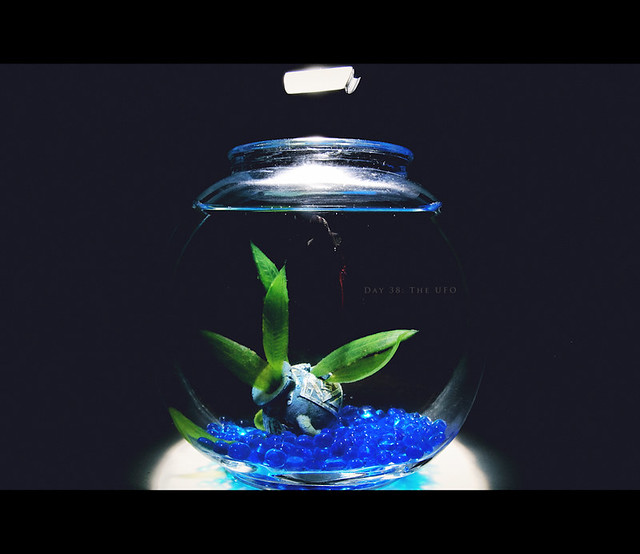
Day 38: The UFO
Beta Fish Bowl - Photo by thezartorialist.com

People back then put gold fish in fish bowls and it created a rage among animal activists because according to them this kind of fish should thrive in a large aquarium. The Betta, on the other hand, should have no problems with a bowl because it only grows 2 to 3 inches max. It also has a labyrinth organ that allows them to take oxygen directly from the atmosphere in addition to the oxygen taken from water using their gills. This is the organ that enables them to gulp air and spit out bubbles to produce a bubble nest.

Betta fish are popular among beginners because they are pretty much inexpensive to care for and Betta fish bowls are easily accessible. Betta or Siamese Fighting Fish can live in smaller containers, unlike other aquarium fish. They can survive without filters and aerators that other fish can’t survive without. In Thailand (where they originated from), a lot of native breeders just keep them in 2-liter bottles. Some even keep them in water-filled bags and they manage to keep the fish alive.

When we’re talking about Betta fish bowls, you have to get at least 1.5 to 2 gallons. Anything less than this is not really recommended. You might have seen pet owners who keep their Betta fish in plastic cups. This is not good, this is actually a cruel thing to do. Don’t take care of a fish if you want it to just merely survive. It is important to keep it healthy and happy otherwise it is better off in the wild. Buy a decent sized bowl so that the fish can swim around. It will be easier to maintain a larger bowl because waste can easily scatter.


Put the bowl in an area where the temperature ranges from 77EsF to 86EsF and since it will be difficult to install the heater, keep it away from sources of either hot or cold air like air conditioning vents and direct sunlight. You can decorate the bowl with live plants or silk plants. Aside from making the bowl look nicer, you also provide a hiding place for your Betta. Add some gravel but make sure you don’t overfeed because gravel catches uneaten food and it can rot which will pollute the water. You can put a filter in your bowl but make sure you get something that is intended for Betta fish bowls.


2017-08-26

Aquarium Snails - Unusual Fish Tank Pets

If you have an aquarium, besides fish, you can have many other creatures in it. One of the animals that make superb aquarium pets is the aquarium snail. Not only does the snail add a little variety to your aquarium, it will also help to keep your tank clean.

There are many species of snails that you can purchase from your local pet store. Some people purchase snails to add some variety to their tanks, while others specifically ask for the snails as they want them as pets. Sometimes, you can also get snails in your aquarium without purchasing one. This happens usually when you buy plants for your aquarium. These snails are already on the plants and when you introduce them into your aquarium. So, they manage to find their way into your tank. However, these snails can be pets. But do not worry as there are many other species of snails that can be kept as pets.

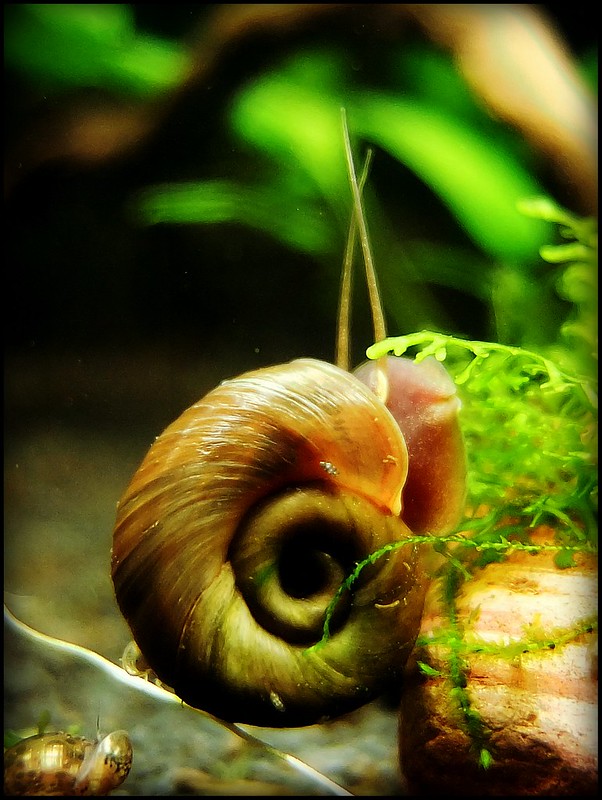
Posthornschnecke.jpg
Great ramshorn - Photo by Katty Fe 

As the name suggests, the Ramshorn snail has a shell shaped like that of a ram's horn. These snails are very interesting to look at. Their shells can be red or black in color. Sometimes, they can also have a checkered pattern on their shell. However, these snails are prolific breeders and can eat plants in no time. So, if you want to keep the plants in the aquarium alive, the Ramshorn snail may not be the ideal aquarium pet for you.

The Trumpet snail is perfect for those who want to keep their plants alive. The snail feeds on the debris that is present in the substrate and helps to keep the bottom of the tank clean. However, this snail tends to come out in the night to eat and you will see it hanging on the wall of the aquarium during the day time.


Another interesting and popular snail for aquariums is the Apple snail. There are four species of this snail and some of them eat plants, while others are carnivores. One of the species of Apple snail can grow up to six inches. You can get Apple snails in many different colors, like yellow, blue and brown.
If you have fish like White Cloud Minnows, Guppies or Neon Tetras, you can easily keep snails in your aquarium without any worries.

Not only will you have some unique pets in your fish tank, the snails will also help to keep your tank clean. If the snails are pests that have hitched a ride on your aquarium plants, then you can introduce Clown Loach into your aquarium. This fish will be more than happy to feed on the snails.


2017-08-25

How to Buy AFRICAN CICHLIDS For Sale Online

Buying African Cichlids from an online retailer has pros and cons. One of the advantages to buying from a local fish store is you see the fish with your own eyes before picking one out. The disadvantage is many stores buy fish in bulk from farms that breed mass quantities of fish without the degree of care that a local breeder would do. Furthermore, major aquarium retail chains stock fish that sell well, not necessarily what you want and often with inbred or poor genetic strains.


Before making a tropical fish purchase from an online retailer consider the criteria listed below:

A shell-brooding cichlid of the genus Lamprolo...
A shell-brooding cichlid of the genus Lamprologus from Lake Tanganyika in East Africa
(Photo credit: 
Wikipedia)

  1. Are the fish you will be receiving the same fish photographed on their website? Some online African cichlid stores post pictures that are very different in size and color than the fish you will be receiving. A reputable retailer shows actual photographs of the fish for sale taken from their own tanks. "What you see is what you get" photos are time-consuming and labor intensive so at a minimum, you should only buy African cichlids with photos that are nearly identical to the real fish for sale. Do not be fooled by misleading stock photos.
  2. Where do they get their livestock for sale? The fish are either bred locally, wild caught, or purchased from a major distributor or fish farm. You don't have to know their trade secrets, but you should be able to get an idea of how they obtain their livestock.
  3. How do they ship African Cichlids? Shipping fish is unlike taking a product from a shelf and mailing it. Call your retailer and ask them how they prepare their livestock for shipment. Fish should be double bagged in 2 mil bags with oxygen and an additive to slow metabolism and respiration. An ammonia detoxifier should also be added before packing everything into an insulated box.
  4. What kind of dead on arrival guarantee is offered? A reputable online cichlid breeder guarantees that your fish arrive alive and healthy. In the event fish are dead on arrival, they quickly replace it with shipping included at their expense. At a minimum, a cash refund should be offered.
  5. Do they respond quickly to email or telephone inquiries? If they are difficult to reach before the sale, they may be impossible to reach when a problem arises. Reputable online tropical fish stores are focused on good customer service.

In conclusion, there are many advantages to buying African cichlids for sale online. You can find rare and exotic fish with genetic strains that are unavailable at your LFS, pricing is usually cheaper, the quality of fish from a breeder is almost always better, and fish that come from a reputable and ethical online dealer arrive healthy and disease free as described on their website. Finally, a live arrival guarantee is always included.