2018-07-30

Tips on TIGER BARB Care and Spawning

English: A young tiger barb, Puntius tetrazona...
A young tiger barb, Puntius tetrazona (Photo credit: Wikipedia)
The Tiger barb or Barbus tetrazona are members of the family Cyprinidae commonly referred to as Cyprinids. Their habitat extends through the Malay Peninsula, Sumatra, and Borneo. There are also scattered populations in Cambodia.

Their name is purely descriptive. Tiger barbs have an orange body with vertical black striping. Tigers are just one of over 70 species of barbs made commercially available by the aquarium industry. Selective breeding has produced a wide variety of color variations. Color morphs are green, gold and albino tiger barbs. The green tiger barb is highly melanistic. Their body reflects green over the black due to a Tyndall effect.

The tiger barb has an even temperament and makes for a good community fish. They are mid-level swimmers. Barbs do have a tendency to be fin nippers though. This behavior increases in bigger groups. Avoid mixing them with large finned species such as angelfish, bettas, and fancy guppies. They are a smaller fish. They only grow to about 2.5 inches long as adults. You'll want to raise them with similarly sized species to avoid waking up to one less fish in your tank.

Barbs are a shoaling fish. Shoaling fish are community dwellers. They instinctively travel in groups. Shoaling fish are ill-adapted to a life of solitude. It is recommended that you have at least four of any shoaling fish in an aquarium. Six to eight is even better.

Barbs thrive in soft, slightly acid water with a temperature range between 68-77 °F.

They are omnivorous. They can live out their entire life fed nothing but common tropical fish flakes. But a diet supplemented with pure protein will help keep them fit, vigorous and colorful.
It is not difficult to distinguish between male and female tiger barbs. The males are typically more colorful. Males tend to have more red on their fins than females. The male's nose will turn red when it enters into its breeding cycle.

Breeding Tiger Barbs
Tiger barbs can be induced to spawn when provided with the right conditions. Tigers typically breed in early summer in the wild. Turn the aquarium thermostat up to 77 or 78 degrees. You want them in softer water such as bottled water or reverse osmosis filtered water. You will also want to increase the waters acidity level to approximately pH 6.5. If these conditions are not conducive to your other community dwellers simply use a breeding tank to create a controlled environment conducive to spawning. You will also want to increase their protein intake by feeding them brine shrimp, bloodworms or meat-based frozen or freeze-dried food.

Tiger barbs are egg layers. A trait common to egg layers is that they will eat their eggs if given the chance. This can be best avoided by placing a layer of marbles over the breeding tank substrate. The eggs will sink down in between the marbles and keep the eggs safely out of harm's way. After the adults have spawned they should be removed from the breeding tank.


The fry will hatch in about 36 hours. They will be free swimming in 2-3 days. Once they are free swimming they can be fed infusoria or liquid fry food formulated for egg laying fish. Larger fry can be fed newly hatched brine shrimp. In about two weeks you will be able to change their diet to finely crushed fish flakes.

    By Stephen J Broy
    The latest trend among Saltwater Tank enthusiasts is raising pet jellyfish. Jellyfish need specially designed Jellyfish Fish Tank Aquariums. Jellyfish tanks are easier to maintain than traditional saltwater setups. Moon Jellies are the most popular jellyfish among home aquarists both for their exotic beauty and their ease of care. They have become so popular that two US-based websites are now tank raising them to meet the growing demand. Pet Moon Jellyfish look absolutely incredible under a fading LED lighting system.
    Article Source: EzineArticles


2018-07-28

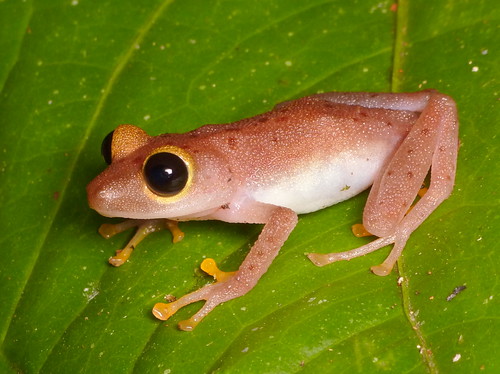
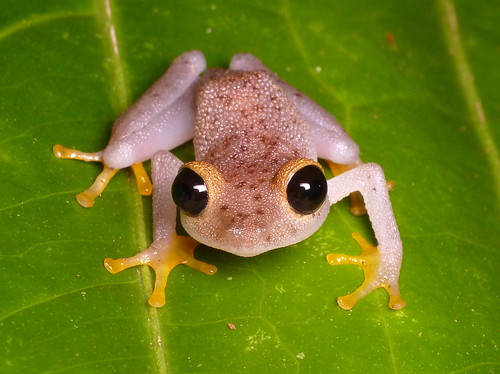
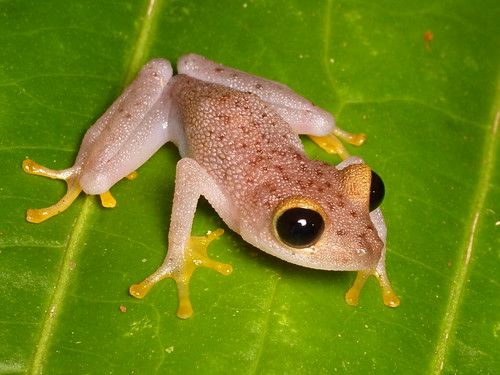
COPPER RAINFROG - Pristimantis chalceus

Copper Rainfrog, Pristimantis chalceus

chalceus

Image by Andreas Kay
Join me in discovering the Megabiodiversity of Ecuador

Copper Rainfrog, Pristimantis chalceus

chalceus
Image by Andreas Kay

Copper Rainfrog, Pristimantis chalceus

chalceus
Image by Andreas Kay

2018-07-27

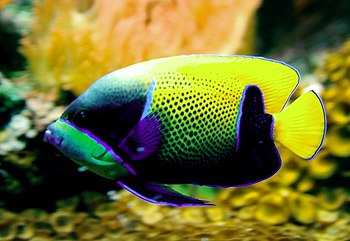
MAJESTIC ANGELFISH - Blue Girdled Angelfish

Deutsch: Traumkaiserfisch (Pomacanthus navarch...
Pomacanthus navarchus (Cuvier, 1831) (Photo credit: Wikipedia)
The Majestic Angelfish is an alternative stunningly colored member of the marine angelfish group. It is also known as the universal label, Blue Girdled Angelfish alluding to the blue girdle on its body.

Its scientific handle is Pomacanthus Navarchus and they are caught all through the Indo-Pacific seas and even Solomon islands. Thought of as a common large angel, they nevertheless command expensive prices. Juveniles can be obtained for as little as $80-$100 whereas adults typically fetch much more.

Like all members of the large angel family, juveniles wear a distinctly different color pattern than adults. Juveniles are the normal blue, black and white. But their real coloration will start showing themselves as soon as they attain a length of around 3 inches.

From then, their adult coloration will begin to emerge. Adults are very beautiful with a main yellow or orange on its middle body and tail. Also present on this patch are numerous blue dots that are wrapped up in a girdle of sorts. Thus, their common name, the blue girdled angelfish.

Although they can attain a length of 12 inches in the aquarium, this length is particularly rare with the majestic angelfish. As such, they are acknowledged as one of the smaller angels within large angelfish families. They are also one of the least aggressive in this family and usually only show hostility towards other tank mates of the same species.


In their habitats, they are grazers that will feed on algae, corals, polyps, and sponges. In captivity, they will graze on a wide assortment of foods that are both green and meat based. Ensure they are offered a balanced diet.

A good mixture of dry and frozen fish feeds are well suited. Freshly chopped seafood made up of raw squid, clams, fish meat as well as shrimp meat is great. A great pellet brand name to use are those manufactured by New Life Spectrum. Also, make certain they are given ample marine algae in captivity. Seaweed in the form of sheets can be purchased for this intention.


2018-07-25

Choosing a Home for Your HERMIT CRAB

Four hermit crabs in an aquarium
Four hermit crabs in an aquarium (Photo credit: Wikipedia)
Hermit crabs are a fascinating species of animal to keep as a pet. Like any other pet, a land hermit crab must have the proper care, environment, and food in order to not only survive but to thrive. A very important component of hermit crab pet care is the environment. If the hermit crab is not in a safe and healthy environment, it is nearly impossible for a hermit crab to stay healthy. There are three main components to the environment a hermit crab should live in: the tank and its furnishings, the substrate, and the temperature and humidity of the environment.

The first part of the environment of a hermit crab is choosing the type of tank and its furnishings. Glass or plastic tanks can be used as homes for hermit crabs. A 10-gallon glass aquarium is definitely a more than the adequate location for your hermit crab. Plastic tanks that are obtainable have lids and have become quite common and are usually available on the shelves of your local pet store. Any container that has a mesh or slotted lid does not retain humidity well, and therefore is not as ideal as containers with solid lids. Many pet stores will actually sell you a hermit crab in a small hermit crab kit, including a very small cage. While this small cage is ideal for a temporary home for your crab, it certainly is not appropriate for any type of permanent housing. These cages are far too small and cramped to be a permanent home. As was mentioned before, a 10-gallon size container is appropriate, but the bigger the cage the better. Also, take into consideration the number of hermit crabs you will be housing when considering the size of the tank.

Besides the size and type of tank, you will house your hermit crab in, there are a few things to include in the tank. In addition to the obvious food and water dishes, hermit crabs need "furniture." They are generally very active creatures and love to have toys to climb on. Artificial plants, climbing toys, and small logs are great ideas to place in your hermit crab’s environment. As well as having toys, a hermit crab needs at least one place that he or she can hide away in. A hollowed out and sealed coconut, small cave structure, or other shelters are encouraged.

Another part of the hermit crab’s environment is the substrate. A substrate is a material in the bottom of your hermit crab habitat. There are several different types of substrate to choose from. One type of substrate that is acceptable is fine-grained sand. Another selection you might make is a fine-grained gravel specifically sold for hermit crab substrate. The last option is a material made of coconut fiber, which is completely organic. Any of these types of substrates are completely adequate to lay in the bottom of your hermit crab habitat.


The final piece of the hermit crab environment is the temperature and humidity levels required for a healthy hermit crab. An optimal temperature in the hermit crab habitat is approximately 72-80 degrees Fahrenheit. If the temperature is constantly measuring outside of this zone, a heater may be required to keep you crabby warm. Humidity is another important aspect of crab environment. You can use a humidity indicator to tell what humidity range your tank falls in. Generally, a humidity range of 70%-80% is the healthiest because hermit crabs are used to living in tropical climates.

Whatever combination of these options you choose, the keys to making sure you have a great habitat for your crab to live in is that you have the right tank and tank furniture, substrate, and temperature and humidity levels. Keeping your eye on these variables will give your hermit crab a great environment.


2018-07-23

LAKE MALAWI CICHLIDS - Ideal Fish Tank Conditions for Lake Malawi Cichlids

Dramatic Sky
Photo  by fabulousfabs 
If you have had an aquarium for any length of time you will, no doubt, have experimented with the types of fish you keep in a tank. Cichlids remain a popular choice for many amateur fish tank owners because they are lively fish that always seem to be doing things. It seems that people can relate to cichlids because they display many traits that we can recognize in ourselves. This makes for good viewing. Lake Malawi Cichlids are a type of fish you may want to keep in your tank. This article will briefly describe the nature of these fish and their ideal habitat. This can give you an indication of the type of aquarium you need to keep these animals.

Lake Malawi is a large Lake situated on Malawi's northeastern border with Tanzania and Mozambique. It is part of the great lakes of the African rift valley along with the better known Lake Tanganyika and Lake Victoria. The water is generally alkaline and has a Ph level of 7.7 to 8.6. The temperature of the water varies from 27-29 degrees Celsius on the surface to about 22 degrees Celsius at lower depths.

The two main types of cichlids that can be found in Lake Malawi are the haplochromines and the tilapiines. Like most cichlids, Lake Malawi cichlids are known for being territorial and aggressive towards each other. They are mouth brooders. They are particularly noted for the vivid colors and markings.

There is such a variety of species that it would be impossible to name all of them but the most colorful are possibly the peacock cichlids. Popular peacock cichlids are the Melanochromis auratus and the Labeotrophus trewavasae. While in many species of cichlids only the male has the vivid markings, in these two species both sexes have colorful markings. Another reason for the popularity of the Melonachromis auratus is that the fry displays the same colors and markings as the parents but only in miniature. Most are adapted for feeding off algae attached to rock or substrate.


When creating a habitat for Lake Malawi cichlids it is important to keep the water quality alkaline. The aquascape should feature rocks and substrate similar to the environment in Lake Malawi. The rocks will allow the fish to hide and feed on the algae on the rocks. To combat the territorial nature of the fish you could densely stock the tank. Given that the tank is densely stocked you should have a strong filtration system set up to maintain the water quality. Typically they eat flake, bloodworm and pellet foods.

Lake Malawi cichlids are some of the most beautiful fish in the world and are active and fun to watch. They remain one of the most popular types of fish to keep in a tropical freshwater fish tank.


2018-07-21

CLOWN LOACHES and Their Care

Chromobotia macracanthus syn. Botia macracanthus
Chromobotia macracanthus syn. Botia macracanthus (Photo credit: Wikipedia)
The Clown Loach is a popular fish in tropical aquariums since it is very beautiful and not too difficult to keep. Its scientific name is Botia macracanthus and it is therefore also known as Botia fish. When you buy a loach it will typically need at least a 100 liter / 20-gallon aquarium to do well. They are usually sold when quite young and will, therefore, grow larger and larger as they mature. A fully grown Clown Loach will need a 540 liter / 125-gallon aquarium or larger.

Wild Clown Loaches inhabit densely grown waters in Indonesia and will, therefore, appreciate a planted aquarium or an aquarium with plenty of rocks and caves which the Clown Loach can hide among. A combination of both plants and caves are ideal. Adult Clown Loaches like to nibble on plants and you should therefore ideally choose tough and fast-growing plants like Java Fern and Anubias. Juvenile Clown Loaches can usually be kept with all types of plants as long as they appreciate the same water conditions as the fish.

The Clown Loach loves to squeeze itself into caves, rock formations and other tiny places that can barely fit it. To put it simply: the more decorations the better. The aquarium must be decorated when you bring your Clown Loach home from the fish store since it is most likely quite stressed from the long journey from Indonesia. A majority of the Clown Loaches available in the aquarium trade is caught in the waters of Sumatra and Borneo. If you place your Clown Loach in a barren aquarium, it will not have a chance to recuperate. It will instead become more and more stressed. Stressed Clown Loaches are very susceptible to a parasite called Ich (White Spot Disease).

Don't be afraid if you notice that your Clown Loach has squeezed itself behind a piece of aquarium equipment, chances are that it is not at all stuck, it just likes to feel safe. The Clown Loach is also found by digging itself into tiny places. It is therefore important to use a substrate without any sharp edges in the aquarium. In the substrate, you can place a wide range of different things for your Clown Loach to explore and hide among. You do not have to limit your self to plants and rocks; PVC pipes, flower pots, roots and ceramic and plastic aquarium ornaments will also be highly appreciated. It is important that the decorations have no sharp edges since the Clown Loach will like to squeeze itself into the smallest places possible. If you place floating plants in the water they will dim the light and make your Clown Loach less shy and more active during the day.


Vigorous filtration is necessary since Clown Loaches are sensitive to poor water conditions. A combination of mechanical, chemical and biological filtration is recommended. Change 25 percent of the water at least once a week. Smaller and more frequent water changes are even better. Even a slight disturbance in the water quality can harm you Clown Loach and in a community aquarium, the Clown Loach is usually the first fish that fall ill or die when the water quality drops. Since you will find the live Clown Loaches in streams and rivers, the aquarium should ideally also have strong water circulation. The aquarium must have a well-fitted lid since Clown Loaches are vigorous jumpers.


2018-07-20

Choosing AQUARIUM PLANTS - Fake Or Real For Your Freshwater Aquarium?

Artificial Aquarium Plant
When setting up your new aquarium, you will soon realize that it looks bare without decorations or plants. These additions, besides serving a decorative function, are a necessary addition for the health of your fish. Plants make your fish more comfortable in their home by providing hiding spots.

When it comes to aquarium plants, there are two main choices: real or fake. Live would require care, just like houseplants. They will need to be chosen wish your fish species in mind and will require more of your time than fake plants, which require little effort and are easy to care for even if you're not an experienced fishkeeper. While fresh may die if the water quality is not monitored closely, fake plants can withstand everything. The only care required is an occasional cleaning in the sink.

Plastic plants are also available in a wide array of styles and colors, including neon shades, that simply isn't achievable if you choose to plant your aquarium with real aquatic plants. However, neon plants do not create a very natural setting and may stress out your fish. Many have found that plastic, even those with natural colors, simply do not have the realistic appearance they are after.

If you're looking for aquarium plants that are realistic, yet easy to care for, consider silk. These are just as easy to care for as plastic plants but lend a more natural appearance to the tank. Always purchase silk plants designed for aquariums, because they will not contain any chemicals that could leach into the water and harm your fish.

There are advantages to using real plants in an aquarium. If you are interested in breeding fish, you should know that some fish species will only breed in an environment with live plants. Fresh plants also add oxygen to the water and use nitrates, becoming a beneficial part of the nitrogen cycle and helping to clean your tank. Live plants are eaten by many species of fish, and in fact are one of the healthiest and most natural food sources you can provide for the herbivores in your tank.

Despite the benefits of using real plants, they can require specialized care. If you do choose to plant your aquarium with fresh plants, be sure that you understand their care requirements. Plants also require specialized aquatic fertilizers and lighting; no plant can grow without lights, which are required for photosynthesis. Many varieties of aquatic plants require specific pH levels or water temperatures. If these are incompatible with the needs of your fish, one or the other will suffer. You'll need to choose plant varieties that are compatible with the fish in your aquarium.


Cleaning a planted tank is more difficult than cleaning one with fake plants because real plants should not be uprooted for cleaning. As the plants naturally decay, there will be more waste material at the bottom of the tank, which can reduce water quality over time. While healthy plants will improve the aquarium habitat, those that are not cared for properly have the potential to harm your fish. Aquatic plants require pruning, just like your houseplants.

Only you decide whether planting your tank with real ones is worth the additional maintenance. If it is your first time ever having fish, choose fake ones. The complicated care of real ones can get quickly become overwhelming if you're not used to caring for an aquatic habitat.